

Rome's reputation as an expensive European capital is only partially deserved. While it's true that tourist hotspots near the Colosseum and Vatican can charge premium prices, savvy travelers can experience the Eternal City on a surprisingly modest budget. The key lies in understanding where locals eat, shop, and spend their leisure time. This comprehensive guide breaks down the real costs of visiting Rome, from daily expenses to money-saving strategies that don't compromise your experience. Whether you're backpacking through Europe or planning a luxurious Roman holiday, understanding the city's cost structure will help you budget effectively and avoid tourist traps.
📚
Part of our comprehensive guide
The Most Romantic Spots in Rome — Explore our complete guide for more tips and insights.
Daily Budget Breakdown for Rome
Understanding daily costs helps you plan realistically. A budget traveler can experience Rome for €50-70 per day, mid-range travelers should budget €100-150 daily, while luxury seekers can expect to spend €200+ per day.
Budget Traveler (€50-70/day): Hostel bed (€25-35), street food and pizza al taglio for meals (€15-20), public transport day pass (€7), one paid attraction with student discount (€8-12), free walking tours and church visits. This budget requires eating mostly pizza, suppli, and sandwiches while staying in shared accommodations.
Mid-Range Traveler (€100-150/day): Three-star hotel or nice Airbnb (€60-90), sit-down trattoria meals (€30-40), transport and taxis (€10-15), two major attractions (€30), gelato and coffee breaks (€8). This comfortable budget lets you dine at authentic Roman restaurants and stay in private accommodations.
Luxury Traveler (€200+/day): Four or five-star hotel (€150+), fine dining experiences (€80+), private tours and skip-the-line access (€60+), shopping and exclusive experiences. At this level, you'll enjoy Rome's best hotels, Michelin-starred restaurants, and VIP access to attractions.
"Rome becomes significantly more affordable once you step away from the immediate tourist zones. A meal that costs €25 near the Colosseum might be €12 in <a href="/rome/neighborhoods/testaccio" title="Testaccio">Testaccio</a> or Pigneto, with better quality food. The same principle applies to accommodations and shopping."
Accommodation Costs in Rome
- Accommodation is typically your largest single expense in Rome, but prices vary dramatically by neighborhood and season.
Budget Options (€20-60/night): Hostels in Termini area offer dorm beds from €20-
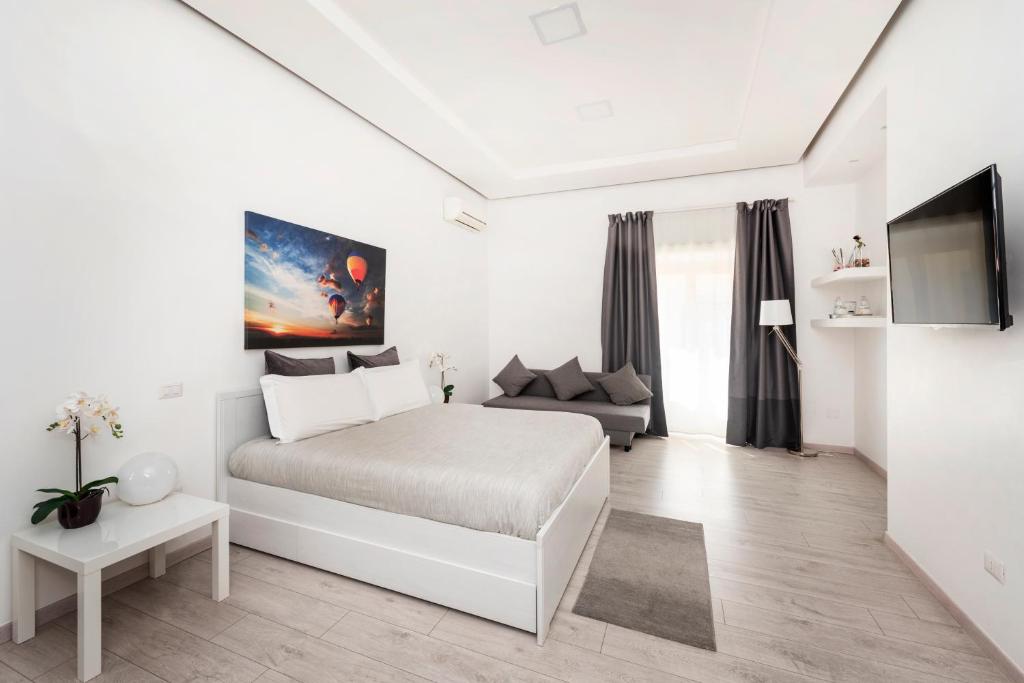
- Private hostel rooms run €50-70. Budget hotels and guesthouses in outer neighborhoods like San Lorenzo or Pigneto cost €40-60 for a double room. These areas are well-connected by metro but require 20-30 minutes to reach major attractions. Mid-Range Hotels (€80-150/night): Three-star hotels in central locations like Monti, Trastevere, or near Piazza Navona. Expect clean, comfortable rooms with air conditioning, private bathrooms, and breakfast included. Airbnb apartments in these neighborhoods fall into the same price range and offer more space plus kitchen facilities. Luxury Accommodations (€200+/night): Four and five-star hotels near Spanish Steps, Villa Borghese, or with Colosseum views. Historic hotels like those on Via Veneto offer old-world elegance, while boutique properties in Tridente provide contemporary luxury. Expect concierge services, rooftop terraces, and central locations. Money-Saving Tips: Book 3-4 months in advance for best rates. Visit during shoulder season (March-April, October-November) for 30-40% savings compared to summer. Stay in neighborhoods like Prati, San Giovanni, or Testaccio for better value while maintaining easy metro access to attractions.
Food and Dining Costs
- Food costs in Rome span an enormous range from €3 pizza slices to €200 tasting menus. Understanding the Roman dining culture helps you eat well without overspending.
Budget Eating (€15-25/day): Start with cappuccino and cornetto at a bar (€3-4, always cheaper standing at the counter). Lunch on pizza al taglio (€5-7 for a generous slice) or a panino from a alimentari (€4-6). Dinner at a pizzeria costs €8-12 for a full pizza plus €3 for water or wine. Supplement with fruit from markets and supermarket snacks. Avoid restaurants with picture menus near major attractions - these tourist traps charge double.
Mid-Range Dining (€40-60/day): Morning cappuccino and pastry (€4-5), lunch at a casual trattoria in Testaccio or Trastevere (€15-20 including house wine), afternoon gelato (€3-5), dinner at a good osteria with antipasto, primo, and wine (€25-35). This budget lets you enjoy authentic Roman cuisine like cacio e pepe, carbonara, and saltimbocca at neighborhood favorites.
Fine Dining (€100+/day): Premium breakfast, lunch at a renowned restaurant, aperitivo, and dinner at celebrated establishments or Michelin-starred venues. Rome has numerous one and two Michelin star restaurants offering tasting menus from €120-
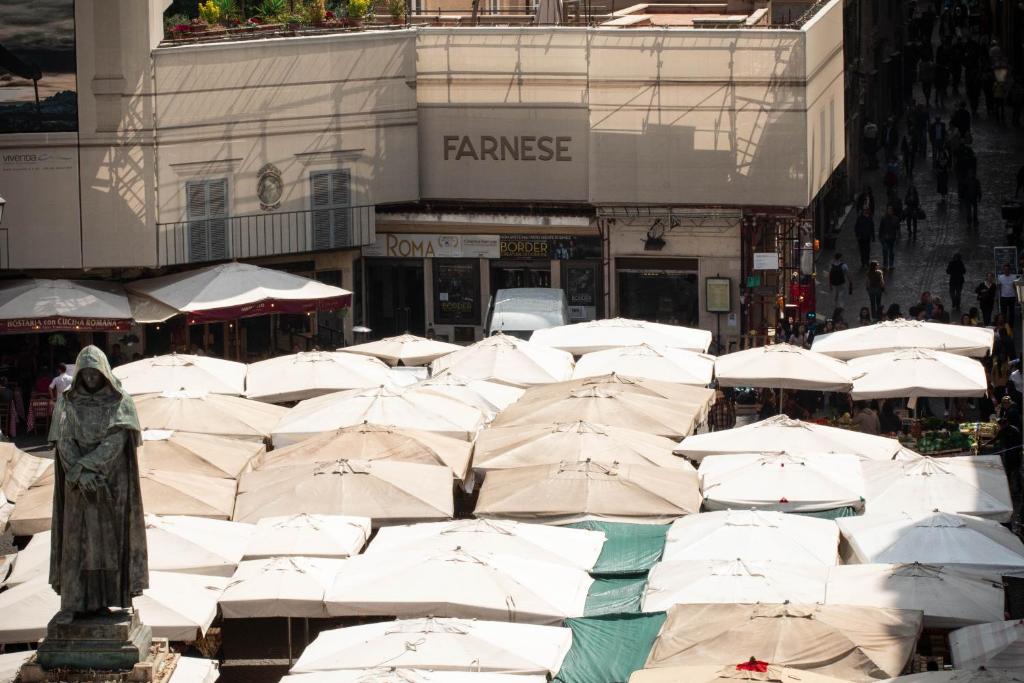
- Money-Saving Strategies: Eat your main meal at lunch when many restaurants offer €15-20 fixed-price menus (menu del giorno). Drink house wine (vino della casa) which is usually excellent and costs €8-12 per liter. Shop at neighborhood markets like Campo de' Fiori (mornings only) or Testaccio Market for picnic supplies. Avoid sitting in prime piazza locations where table service adds 30-50% to bills.
"The 'coperto' or cover charge is standard in Rome, typically €1.50-3 per person. This isn't a tip or scam - it covers bread and table service. However, if a restaurant charges both coperto AND servizio (service charge), you're probably in a tourist trap."
Attraction and Activity Costs
Rome's attractions range from completely free to €50+ for skip-the-line tours, but smart planning keeps costs manageable.
Free Attractions: Many of Rome's greatest experiences cost nothing. The Pantheon (recently free again), Trevi Fountain, Spanish Steps, Piazza Navona, and all major church exteriors are free. Churches including Santa Maria Maggiore, San Giovanni in Laterano, and Santa Maria in Trastevere contain priceless art at no charge. The Vatican obelisk and St. Peter's Square are free, as is the Sunday Angelus blessing at noon.
Major Paid Attractions: Colosseum, Roman Forum, and Palatine Hill combined ticket (€18, valid 2 days). Vatican Museums and Sistine Chapel (€17, free last Sunday of month with long queues). Borghese Gallery (€15, requires advance booking). Individual church attractions like San Clemente's underground (€10) or St. Peter's Dome climb (€10).
Skip-the-Line Tours (€40-80): These significantly enhance your experience at major sites, providing context, avoiding queues, and accessing restricted areas. Small group tours of the Colosseum with underground and arena floor access cost €50-70. Vatican tours with early access or after-hours visits run €60-80. While expensive, they're often worth it for first-time visitors.
Money-Saving Options: The Roma Pass (€32 for 48 hours, €52 for 72 hours) includes free entry to two museums, discounts on others, and unlimited public transport. It's economical if you're visiting multiple paid sites. Book directly through official websites to avoid markup fees. Visit free museums on first Sundays (long queues but free entry to many state museums). Consider free walking tours (tip-based).
Transportation Costs
Rome's public transportation is affordable and efficient, making expensive taxis unnecessary for most visitors.
Public Transport: Single ticket (€1.50, valid 100 minutes for unlimited transfers). Day pass (€7). 3-day pass (€18). Weekly pass (€24). The metro, buses, and trams cover the entire city. Buy tickets from tabacchi (tobacco shops), newsstands, or machines - never from people selling on the street. Validate tickets in machines when boarding or face €50 fines.
Taxis and Ride-Sharing: Official white taxis charge fixed rates from airports (€48 from Fiumicino, €30 from Ciampino to city center). Within Rome, expect €10-20 for cross-city trips. Only use official white taxis from taxi stands or by phone - never accept rides from touts. Uber operates but costs similar to official taxis. Free Now app is popular for booking legitimate taxis.
Airport Transfer Options: Leonardo Express train from Fiumicino (€14, 32 minutes to Termini). Local FL1 train (€8, 48 minutes with more stops). Terravision bus from Ciampino (€6, 40 minutes). These represent huge savings over taxis for solo travelers.
Walking: Central Rome is highly walkable. The distance from Piazza del Popolo to the Colosseum is only 3km (40 minutes walking). Good shoes and willingness to walk can eliminate most transport costs. Many visitors use public transport once or twice daily at most.
Seasonal Price Variations
Your travel dates dramatically impact costs in Rome, with summer being most expensive and winter offering best value.
Peak Season (June-August, Easter): Hotels charge 40-60% more than winter rates. Restaurants in tourist areas raise prices. Crowds mean longer waits and pressure to take expensive skip-the-line tours. However, churches and fountains illuminated until late create magical evenings. Expect temperatures above 30°C (86°F) in July-August.
Shoulder Season (March-May, September-November): The sweet spot for value and weather. Prices are 20-30% below summer peaks. Hotels are easier to book last-minute with better rates. Restaurant terraces open but crowds are manageable. Weather is generally pleasant (15-25°C / 59-77°F) with occasional rain. October is particularly lovely with golden light and harvest celebrations.
Low Season (December-February except holidays): Maximum savings with hotels 50% off peak rates. Restaurants offer better value and welcoming service. However, some restaurants and shops close for annual holidays in August and January. Weather can be cool and rainy (8-15°C / 46-59°F) but rarely harsh. Christmas and New Year see price spikes but fewer crowds than summer.
Budget Planning Tip: Visit during shoulder season for optimal balance of pleasant weather, manageable crowds, and reasonable prices. Booking mid-week (Tuesday-Thursday) costs less than weekends. Avoid Easter week and the first week of June (Italian holidays) when prices spike.
Places to Stay in Rome

hotel

hotel
hotel

hotel

hotel
hotel
Compare rates from Leading Booking Sites
Find Hotels & Stays →


